People-pleasing is a maladaptive behavioral pattern rooted in anxiety and fawning responses, not a benign personality trait. It manifests through four distinct archetypes—Caretaker, Matcher, Manager, and Classic—each requiring specific therapeutic intervention to prevent burnout and identity erosion. This protocol outlines a structured framework for diagnosis and behavioral correction.
1. Clinical Definition and Scope
People-pleasing, clinically understood, is a defensive response mechanism (often the “Fawn” response in trauma typology) characterized by the prioritization of external emotional regulation over internal needs. It is not merely “kindness” but a transactional behaviors strategy: compliance is exchanged for perceived safety or validation.
The pathology is marked by a chronic inability to assert boundaries, leading to somatic exhaustion, resentment, and a dissolution of the self-concept. Effective treatment requires moving the patient from a locus of external control to internal autonomy.
2. Mechanistic Analysis
The behavioral loop of the people-pleaser follows a predictable cognitive pathway. Understanding this flow is essential for interrupting the pattern.
The Maladaptive Cycle
Conflict or Request
“I must fix/agree to be safe”
Compliance / Over-functioning
Resentment & Burnout
3. Applied Approach (Dr. Belh Framework)
To dismantle these patterns, we apply a tripartite framework consisting of Observation, Context, and Solution. This structure moves the client from subconscious reaction to conscious action.
Phase 1: Observation
Diagnostic Assessment. Before intervention, the specific archetype must be identified via the behavioral quiz logic. Clients must tally their responses to categorize their dominant fawning style (Caretaker, Matcher, Manager, or Classic).
Phase 2: Context
Archetype Deconstruction. Identifying the specific “Core Fear” driving the behavior. Whether it is a fear of uselessness (Caretaker) or rejection (Classic), naming the fear validates the client’s internal experience and reduces shame.
Phase 3: Solution
The Intentional Pause. The universal intervention across all archetypes is the insertion of a temporal gap between stimulus and response. This allows executive function to override the amygdala’s immediate compliance signal.
4. The Four Clinical Archetypes
Diagnosis requires specificity. The following profiles detail the manifestation of the pathology and the indicated corrective strategy.
5. Therapeutic Timeline
Recovery is non-linear but generally follows a phased progression of cognitive restructuring.
Awareness & Pausing
differentiation & Boundaries
Autonomy & Integration
6. Synthesis Table
A comparative analysis of the archetypes for quick clinical reference.
| Archetype | Primary Drive | Intervention Goal | Key Outcome |
|---|---|---|---|
| Caretaker | To be useful/needed | Decouple worth from work | Rest |
| Matcher | To fit in/connect | Identity validation | Authenticity |
| Manager | To control outcomes | Surrender control | Trust |
| Classic | To maintain harmony | Voice needs/boundaries | Visibility |
7. Extraction Zone
- •
People-pleasing is a complex behavioral pattern, not a monolithic trait. - •
The “Pause” is the most critical behavioral tool for all archetypes to disrupt amygdala hijacking. - •
Redefining kindness to include self-compassion is necessary for sustainable behavioral change. - •
Intervention must target the specific underlying fear (rejection, uselessness, chaos, or conflict).
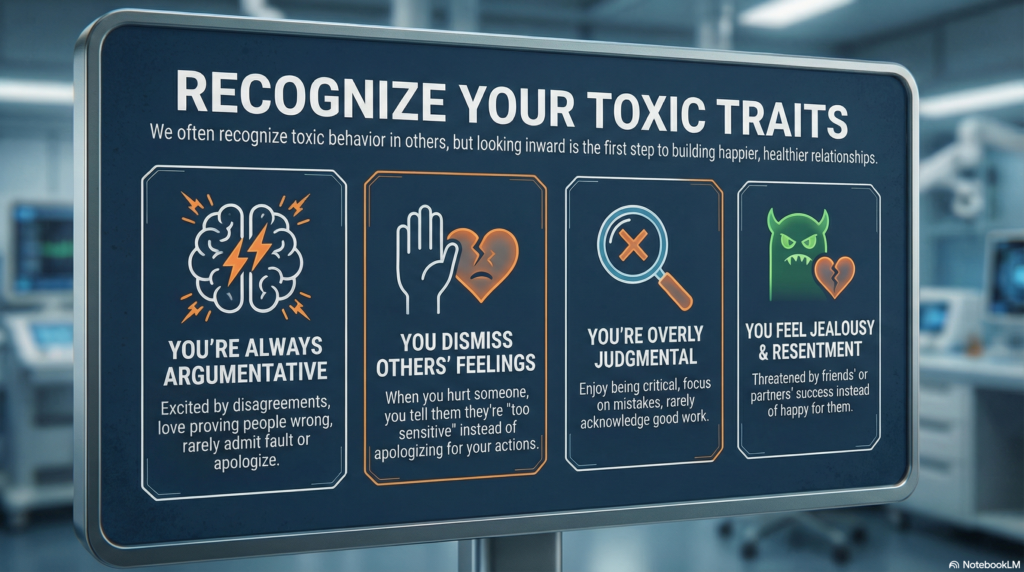
8. Image Generation Prompt
9. Clinical FAQ
Is people-pleasing a personality disorder?
No. It is a behavioral coping mechanism, often associated with trauma responses, anxiety, or codependency, but not a standalone disorder.
Can a client have multiple archetypes?
Yes. Most clients exhibit a dominant archetype, but secondary traits from other types often manifest depending on the specific relationship dynamic.
How long does behavioral correction take?
With consistent coaching and practice of the “Pause” technique, noticeable shifts in boundary setting typically occur within 8 to 12 weeks.
Is the “Caretaker” archetype the same as codependency?
They overlap significantly. However, the Caretaker archetype specifically emphasizes utility and competence as the vehicle for securing love.
What is the first step in treatment?
Awareness. Clients must first recognize their specific pattern (archetype) to move the behavior from unconscious compulsion to conscious choice.