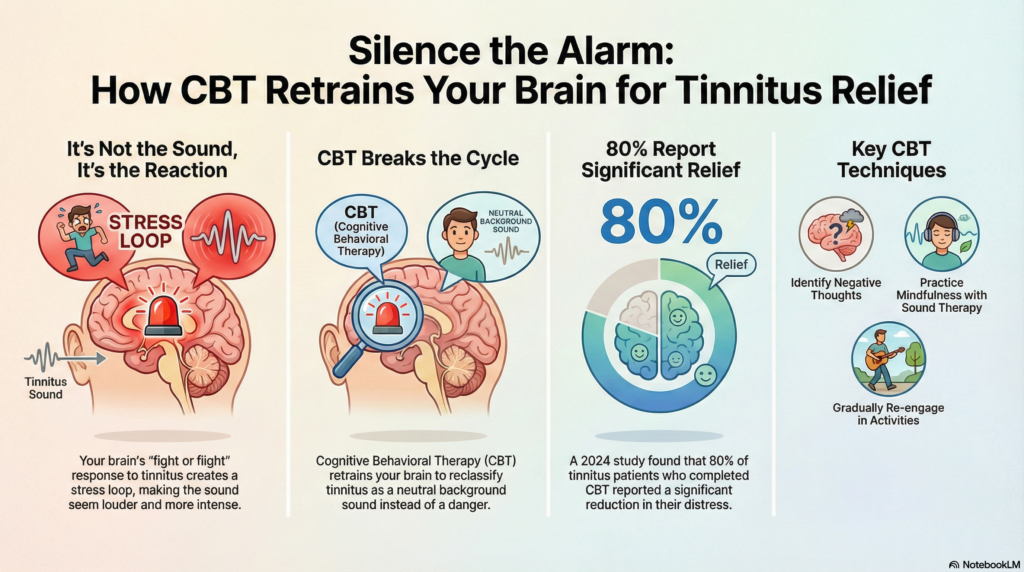
Confused About CBT For Tinnitus? Watch This!
Chronic tinnitus is less an auditory pathology and more a failure of the brain’s limbic gating mechanisms to filter internal […]
Chronic tinnitus is less an auditory pathology and more a failure of the brain’s limbic gating mechanisms to filter internal […]
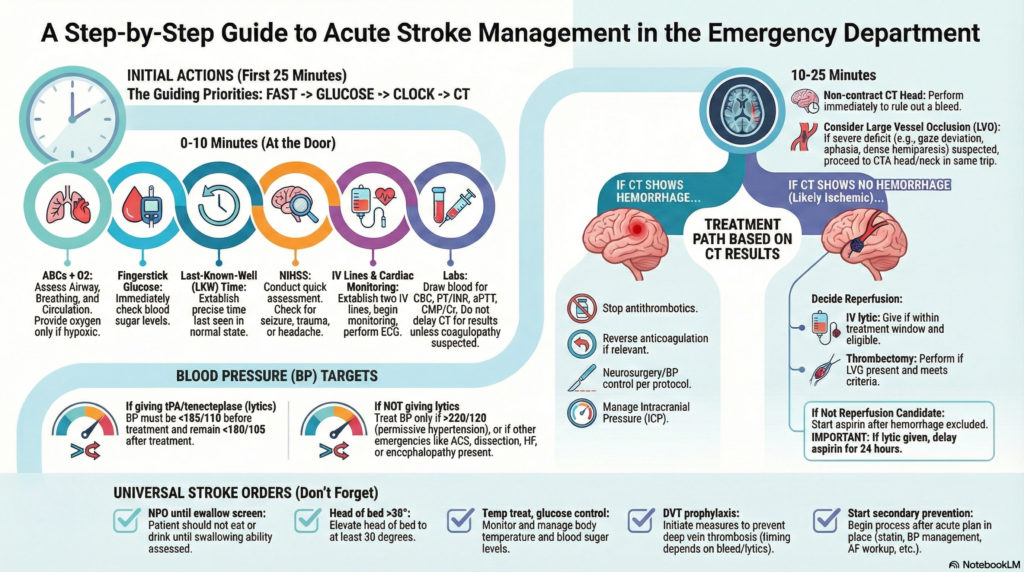
Time remains the fundamental currency in neuro-emergency medicine. Effective stroke management requires a transition from checklist-based tasks to an integrated
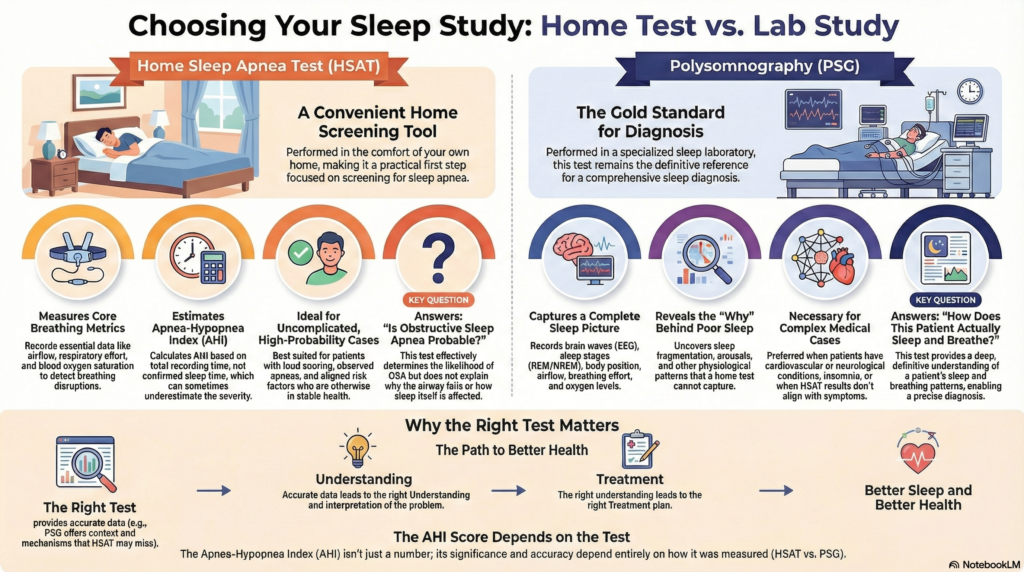
Clinical Sections 1. Defining the Modalities 2. Mechanistic Analysis 3. Dr. Belh Framework 4. Clinical Workflow 5. Data Synthesis
Physiological recovery dictates athletic longevity and performance progression. Delayed nutrient intake post-exertion compromises structural repair and glycogen resynthesis. Strategic utilization
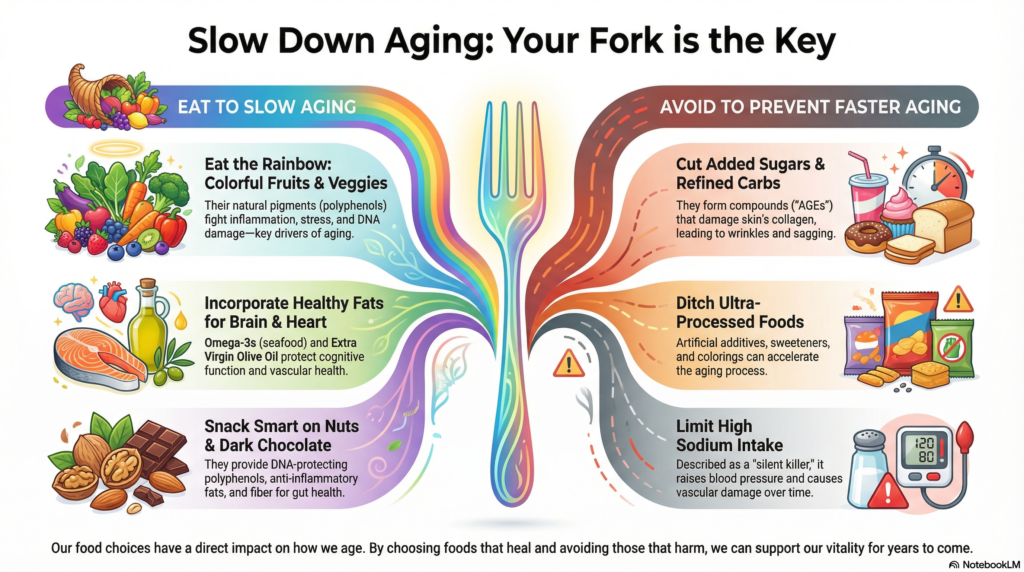
Aging is rarely a linear chronological progression; rather, it is a physiological decline highly susceptible to metabolic inputs. Clinical observation
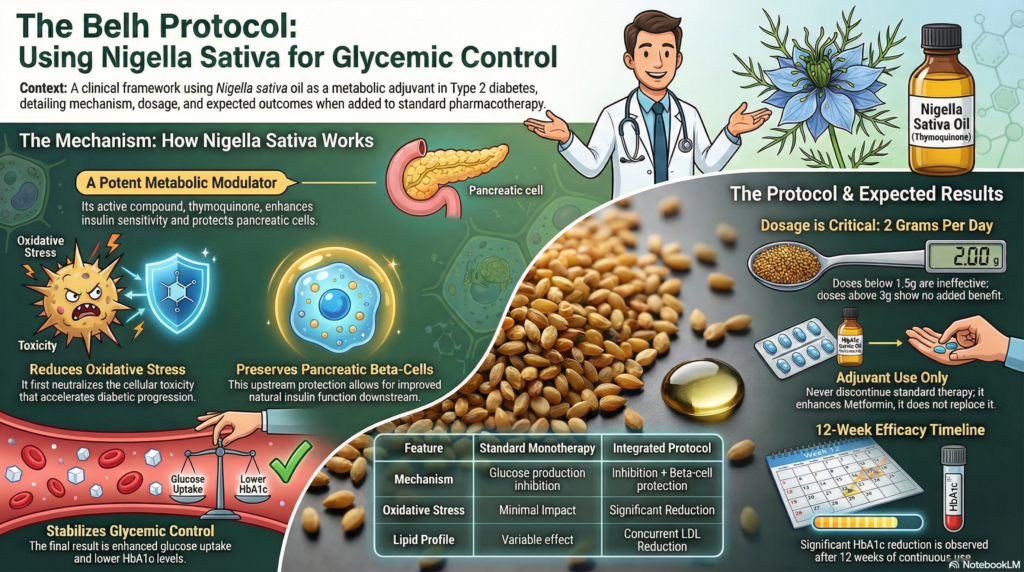
Glycemic Control : Clinical observation reveals that many Type 2 diabetes patients experience a glycemic plateau despite strict adherence to
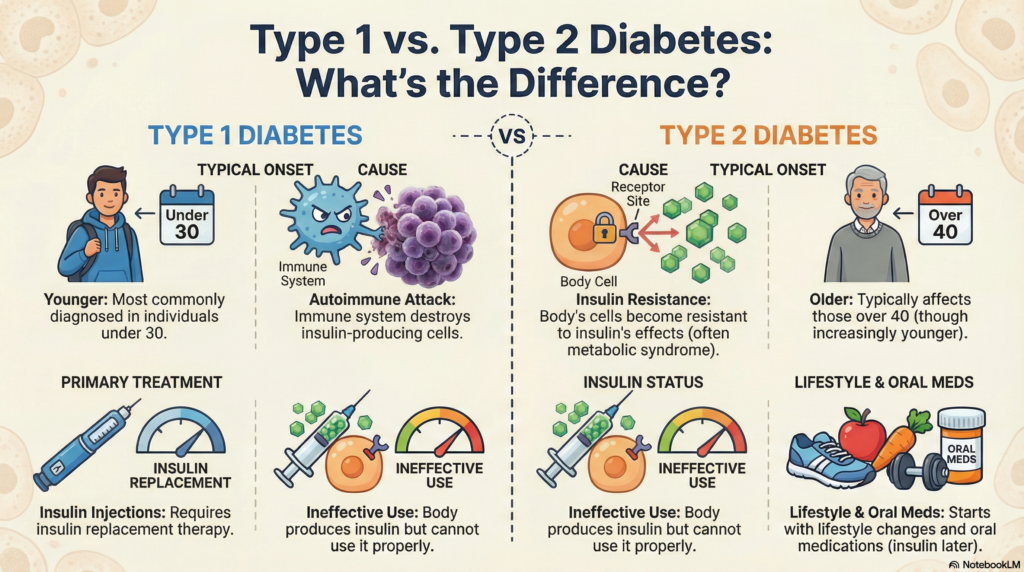
Global Constat: Diabetes Mellitus represents a ubiquitous metabolic crisis unified by chronic hyperglycemia, yet driven by fundamentally divergent etiologies. Problem:
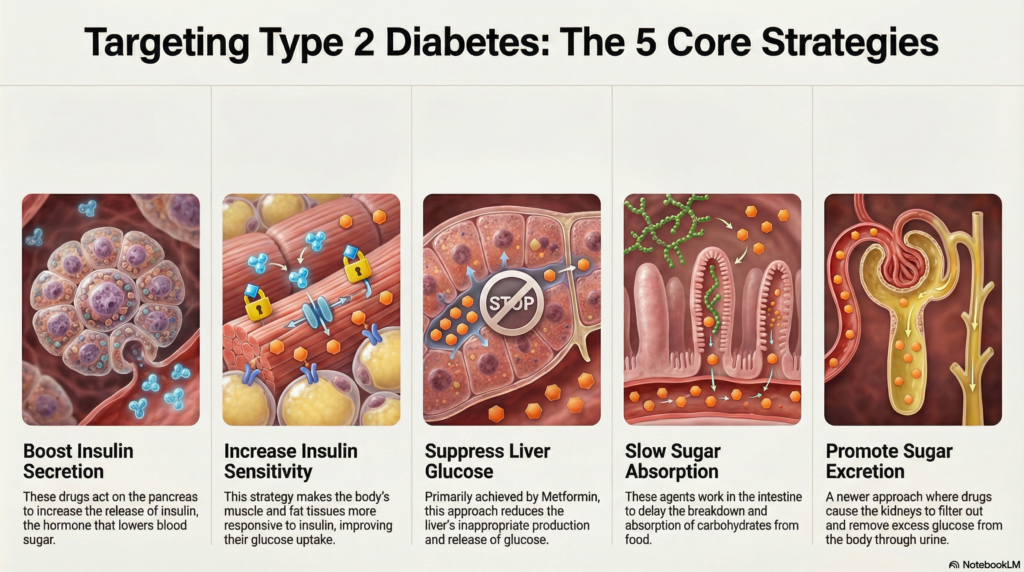
Type 2 diabetes is defined by a dual defect: peripheral insulin resistance and progressive pancreatic beta-cell dysfunction. Effective glycemic control
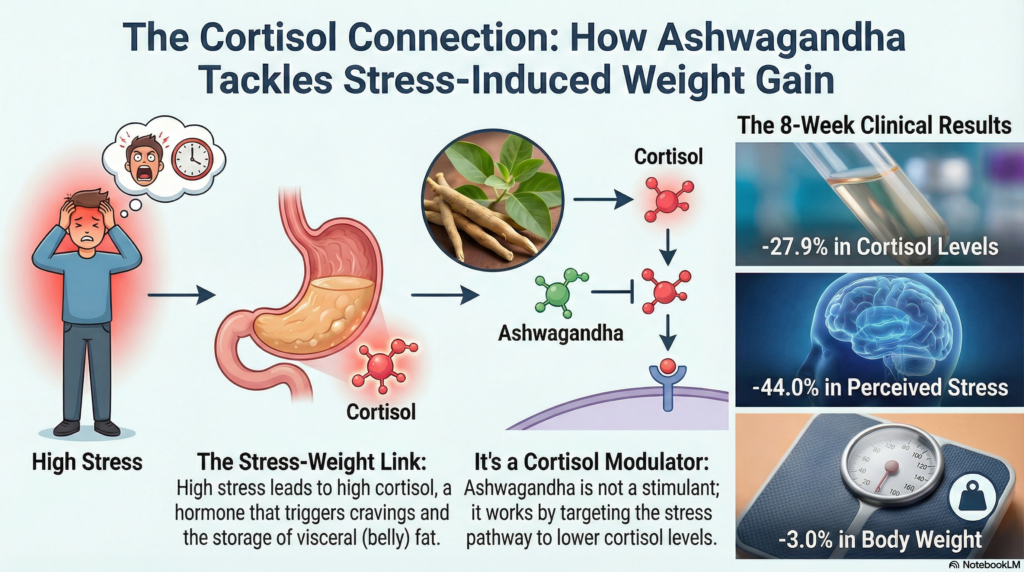
Chronic stress disrupts metabolic homeostasis, specifically driving cortisol-dependent visceral fat accumulation. This phenomenon creates a neuroendocrine imbalance that diet alone
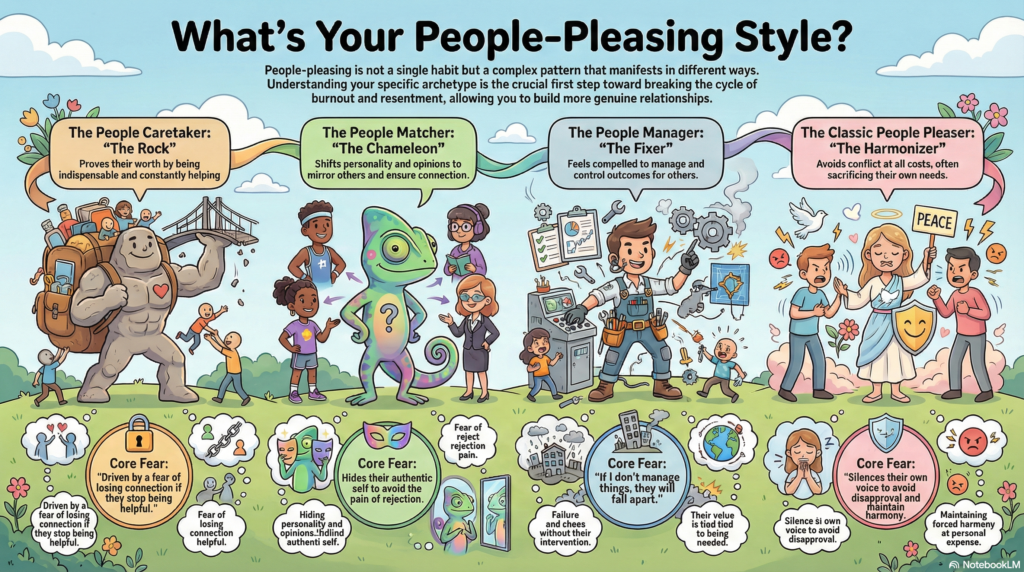
People-pleasing is a maladaptive behavioral pattern rooted in anxiety and fawning responses, not a benign personality trait. It manifests through